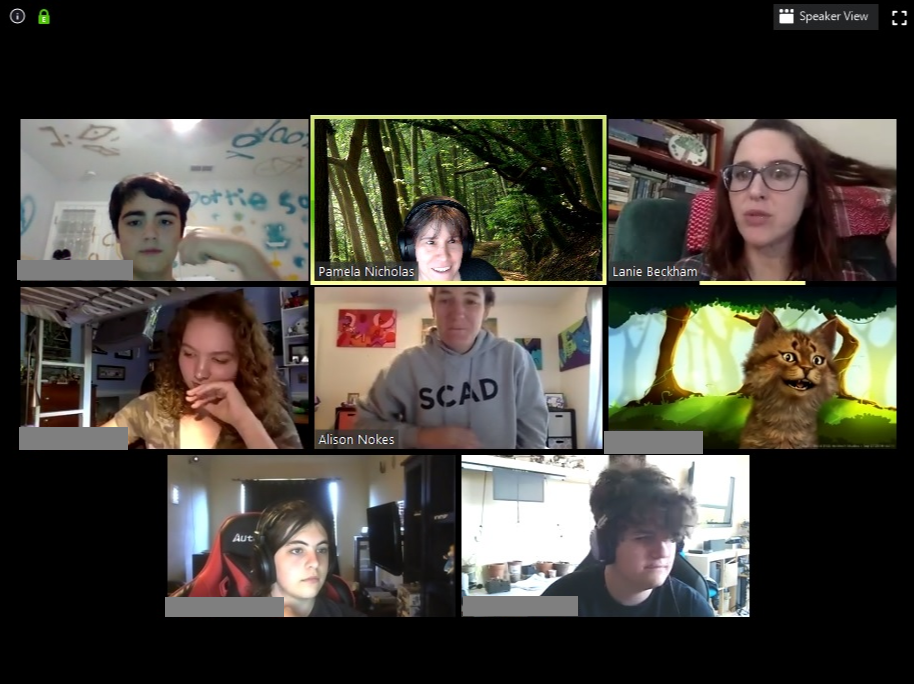
Pam Nicholas is an extraordinary educator who serves as executive director of Huntington-Surrey High School. Below, she shares her candid thoughts and feelings about the challenges and uncertainties of the coming school year amidst the COVID-19 pandemic that is currently surging here in Central Texas.
I, like many other parents and people in the education community, have been glued to any news or information about what school district plans are looking like for the fall. As both a teacher and an administrator for our small private high school, I have so many emotions running through me about the idea of returning to school in the fall. I know that many kids learn best when they are face-to-face. I miss hugging my kids (okay, students) every day. I miss seeing them face-to-face, and I even miss going on my occasional Starbucks runs for them. It was hard to see them only online in the spring and to know that they too were emotionally struggling with so much going on in the world.
On the other hand, having my own personal health issues, I am not one to take my health or anyone else’s for granted. I was proud of the fact that my school managed to both help flatten Austin’s curve in the spring and provide our students with an excellent virtual education with no missed days of school. Now, these summer months are leaving me with time to reflect on what went well, what could be improved, how we can keep our students engaged, and how we can best support our kids, our teachers, and our families in these very disconcerting times.
With hospitals in Austin getting close to being overwhelmed, it is troubling for me to hear elected officials talk about having schools return to face-to-face classes in the fall. There is so much talk about how the virus is mild in children, but the facts of the matter are that some children do get quite ill and children can transmit the virus between one another, to their families, and to their teachers. There is no way to predict right now which one of us will have a mild case, who will have severe illness or ongoing medical issues to contend with, and who will die. As a private school administrator, could I ever live with the fact that I did have the “luxury” of keeping school virtual but I chose not to, and someone were to get seriously ill or die because of that choice? I know some of my parents are really wanting to return to face-to-face instruction because, of course, it is the best way for their kids to learn and there is nothing like face-to-face social interactions with their friends. However, I’m not one to gamble, and I am certainly not feeling comfortable gambling with the lives of the people in my community.
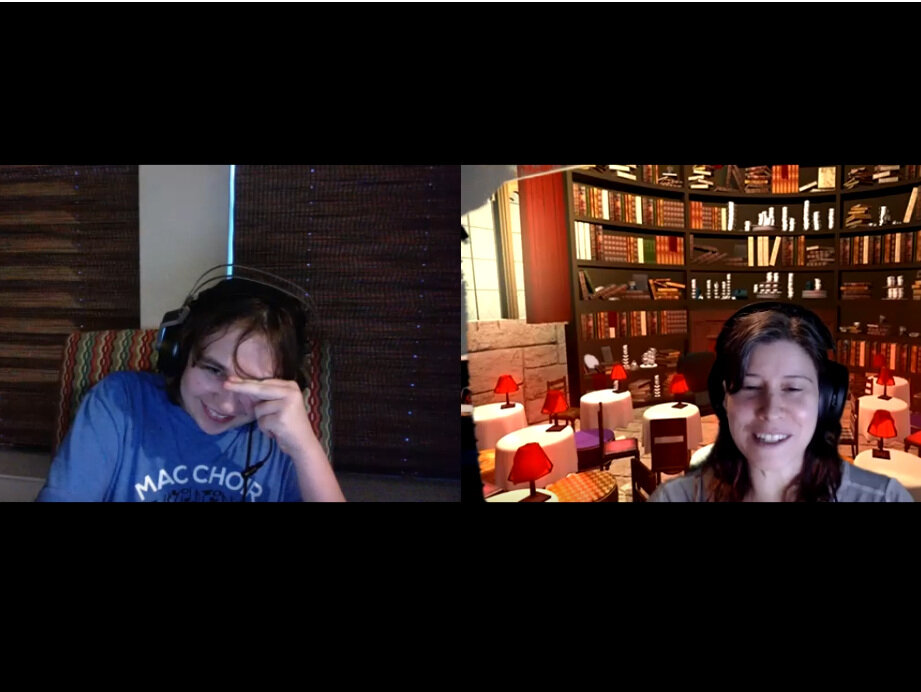
As a private high school, we were and are extremely privileged in the sense that our kids are old enough to be home by themselves, if need be, and our kids are already extremely familiar with technology. With our very small student-to-teacher ratios, we could still pay a lot of attention to each student during class times and were able to be available to them outside of regular class times for extra help. I won’t say everything went perfectly transitioning to live, online classes (we were Zoom-bombed only once, thank goodness!), but I know that our kids knew we were there for them, got to have some pretty interesting conversations, still managed to learn new skills, and were able to practice those skills with the live support of their peers and teachers.
So, what were some lessons learned, and what can we, as parents, educators, or, like me, both, do this coming fall? All of us need to have some positive interaction during the day. Having good, interesting conversations, even virtually, keeps kids engaged. Teaching using Socratic methods also helps to keep them engaged. We’ve learned that some kids are still going to struggle, especially those with ADHD. Our ADHD students can spend hour upon hour on a screen playing Minecraft, but it is quite different from taking an online course. We have found that having them attend class via cell phone in a well-lit room with just a table or desk really helps with mitigating the temptation to use other apps during class time.
Parents helping kids stay organized and on top of their homework as they adjust can help a lot, too. When kids were out and about during the day, it was easier to make sure they were doing their independent work at a regularly scheduled time. Now with them home all day, it is easier to assume they will just get it done. That really isn’t the case. Parents with children of any age can help their kids find success by having them on a consistent routine, including time slotted specifically for homework. Regular sleep times, physical activity times, and homework times can go a long way.
Another way to help our kids in an online environment is for teachers to record their classes. Our school will be posting them online so that if a student wasn’t able to focus, for whatever reason, the class is there for them to see at a better time. We are also continuing our study halls during the school days so kids can get their homework done with a teacher live to help them and make sure progress is being made on assignments. It’s important for schools to be able to provide one-on-one help if they can, even if it isn’t academic help. Our teachers will continue to simply check in with each of our students to find out how they are coping. Offering frequent “just for fun” opportunities can help, too. This summer and beyond, we will continue to offer online social opportunities for our kids to virtually get together. Working hand-in-hand with our parents, students, and faculty, we will give our students the best possible educational experience we can provide.
Times are tough right now for most of us, and alt-ed schools have a lot of difficult decisions to make over the coming days and weeks. The balance between the grown-ups having to work, the children needing in-person attention, and everyone wanting to help keep everyone safe is an exceedingly difficult one to find. I know we are all going to try our best, and hopefully working together with a lot of patience and empathy, we will make the best of what seems like an impossible situation.
Pam Nicholas
 from Alt Ed Austin – blog https://ift.tt/39bkKhw
via IFTTT
Comments
Post a Comment